When Volcanoes Wake Up: What Actually Happens to Real Estate Prices

If you live anywhere in the Pacific Northwest, you’ve probably had that moment. You’re standing on a trail, looking at a beautiful snow-covered mountain and realize… That’s a volcano — maybe while driving toward Mount Baker or seeing Mount Saint Helens in the distance.
This whole thing began stirring in my brain when I was hosting an Open House (yay real estate!) chatting with a guest who came from Australia, we were discussing renting versus buying after I shared I’m a renter. His next comment has been in my head for many, many months…
“Yeah, we won’t be able to afford anything here until Mount Baker erupts!”
I laughed and agreed but then thought to myself… Well, wait…
What actually happens to home prices when a volcano erupts nearby?
So, I decided to investigate. The answer is more nuanced than I thought. Some markets dip. Some rebound. And in a few cases, prices eventually rise faster than before.
This is just my general research overview and spitballing based on a collection of things I read but let’s look at what the data and what the Pacific Northwest history has to show.

The Day Mount St. Helens Changed the Northwest
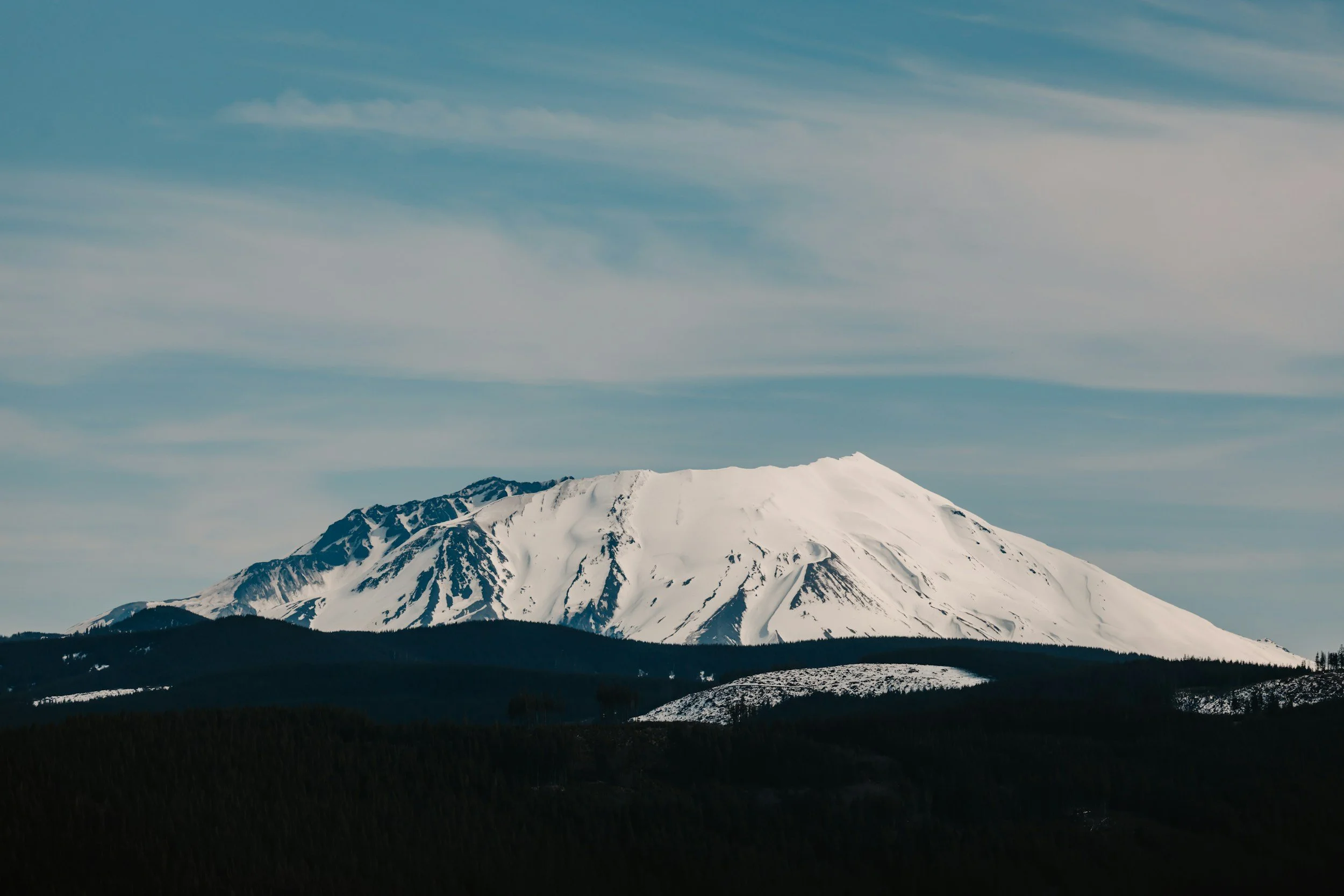
It makes the most sense to start with the eruption that feels the most infamous and active. Mount St. Helens in Skamania County is the most frequently active volcano in the Cascades.
On May 18, 1980, Mount St. Helens erupted in the most destructive volcanic event in modern U.S. history. The explosion killed nearly 57 people, collapsed the mountain’s north side, and caused about $1.1 billion in damage 1980 dollars or $4.35 billion in 2026.
The blast leveled forests, destroyed roads and homes, and sent ash across 11 U.S. states and parts of Canada.
Local impacts were immediate according to the online sources I checked:
~200 homes destroyed
47 bridges destroyed
185 miles of highway damaged
massive timber and agricultural losses
In other words: the housing supply literally disappeared in parts of Washington overnight.
Between the actual homes destroyed and the amount of timber, that had to have an effect on the real estate market.
Home Prices After Volcanic Events
When I was in college, I took a geology class and the professor promised to teach us how to “Buy a NOT geologically stupid house.” if nothing else in that class. The professor did achieve that, but also had to admit we live in the trifecta of natural disasters. Water, Earthquakes, Volcanos… But it sure is pretty in the Pacific Northwest!
Anyway, in my hunt to learn about the data, I came across Geoengineer.org. Researchers studying volcanic regions between 1974 and 2016 found that volcanic alerts and eruptions tend to cause a short-term drop in housing prices and economic activity in nearby communities.
Why?
Because fear hits the market first. Like any kind of instability or unknown it shakes buyer and sellers.
Typical short-term patterns (0–12 months) after volcanic activity:
Metric - Typical Change
Median home price: ↓ 3%–10% short-term
Buyer demand: ↓ sharply
Days on market: ↑ (homes are on the market longer)
Transaction volume: ↓
This is consistent with broader research I read that was showing natural disasters often reduce property values and trigger temporary out-migration from affected areas.
When the risk suddenly becomes real, buyers pause. Even in markets that weren’t directly damaged.
The Surprising Part: Prices Often Rise Later
So, here's where it gets interesting. It immediately made me think of the 2025 Palisades Fire.
In many disaster zones — including volcanic regions — prices often recover and sometimes exceed previous levels within a few years.
Why?
Supply disappears. Classic supply and demand.
Natural disasters destroy homes and infrastructure, which reduces inventory. When rebuilding begins and people return, demand can exceed supply. That dynamic can push prices higher. So, looking across several disaster-hit U.S. housing markets, prices have been observed rebounding within about three years, sometimes rising 15–18% above pre-disaster levels once rebuilding begins.
Which is where I came across a term called the “disaster rebound effect.”
What Happened Around Mount St. Helens
Okay, so let’s circle back to focusing on Washington State and the housing market around Mount St. Helens followed a similar pattern.
Phase 1: Immediate shock (1980–1981)
Property demand dropped near the blast zone
Tourism halted temporarily
Some communities experienced population loss
Phase 2: Stabilization (early 1980s)
Federal recovery programs, road rebuilding, and logging industry recovery stabilized the regional economy.
Phase 3: Long-term rebound
Over time the eruption created something unexpected:
A tourism economy.
The creation of the Mount St. Helens National Volcanic Monument brought visitors, research funding, and outdoor recreation infrastructure. I forced Chef to pull over on a road trip so we could look around the Mount St Helens Visitor Center for a bit.
Some literature I read also shared that many nearby communities eventually saw economic diversification and population return.
Case Study: Volcanic Housing Markets Beyond Washington
Volcano-related housing trends show up elsewhere too and when I started my little project, I read more about events that took place in Hawaii.
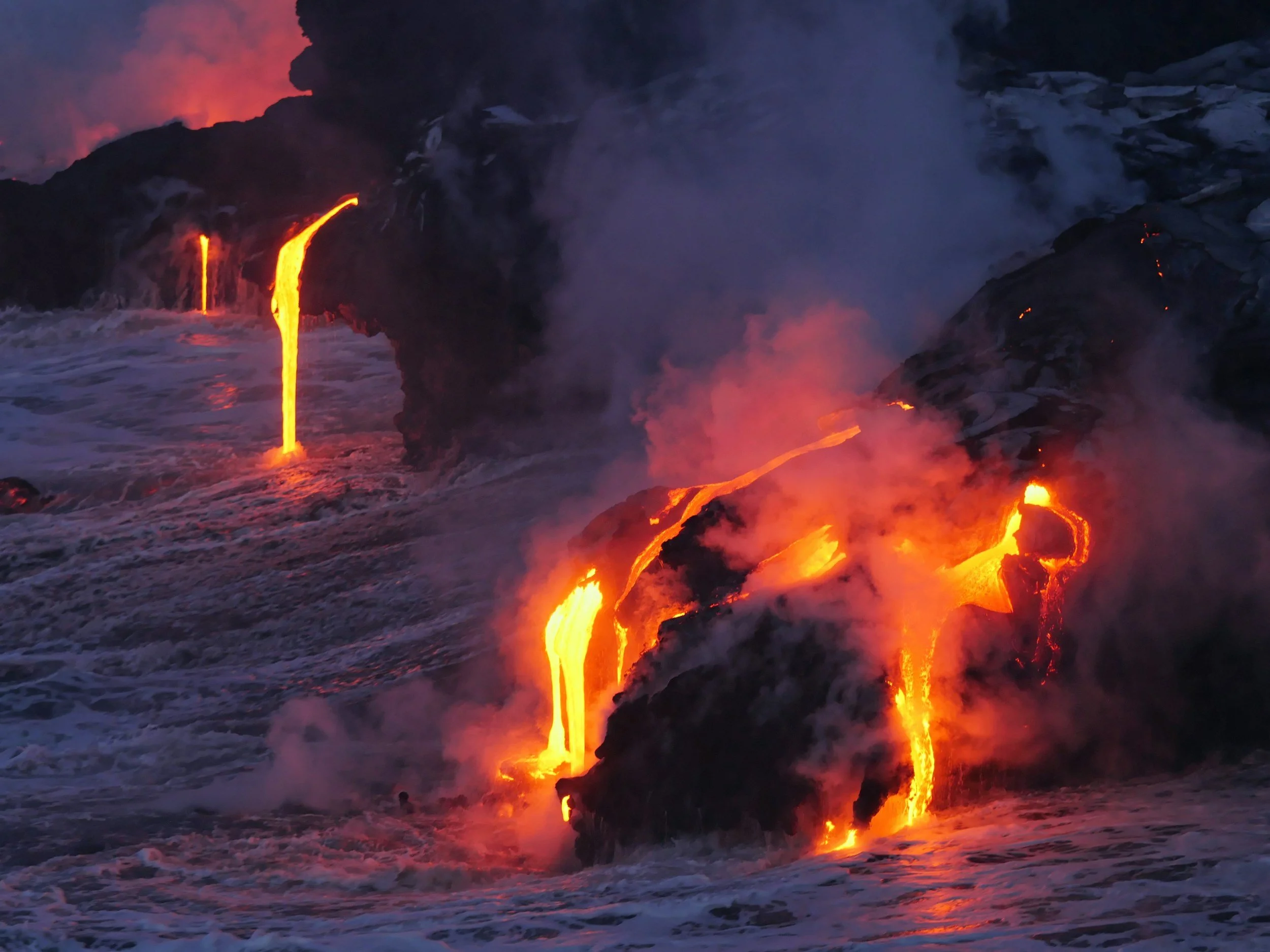
Hawaii — Kīlauea (2018)
The 2018 eruption in the Lower Puna district destroyed hundreds of homes and caused about $800 million in damage.
Housing effects followed the same pattern:
Short term
Listings surged from homeowners trying to leave
Prices dropped locally
Insurance availability became a major issue
Medium term
Housing shortages in unaffected neighborhoods
Price increases in nearby safer areas
Migration toward less-risky parts of the island
The Days On Market Effect
So, one big metric everyone uses in real estate is Days on Market or DOM. People use this to debate a home’s price, value, and often sparks the question of, “What’s wrong with this house if it is still on the market?” Sometimes, it just happens to coincide with timing in the market and the house is perfectly fine. The average days on market varies by season, home size, style. Etc. But is there a pattern when natural disasters hit?
Typical pattern observed in disaster-affected housing markets:
Stage - Days on Market
Pre-event - Normal market cycle
Immediately after - DOM increases sharply (homes are on the market longer)
6–18 months later - DOM falls as supply shrinks (homes start to sell faster)
2–3 years later - Market often tightens
My best guess is:
Fear slows the market first.
Supply shortages speed it up later.
The Pacific Northwest Factor: People Forget Fast
One of the most fascinating findings in climate-risk real estate research is that buyers tend to have short memories. In this Washington Post article Redfin suggested that interest in climate risk spikes right after disasters but often fades within months.
In other words:
Humans are remarkably good at returning to beautiful, risky places.
Which explains a lot about the Pacific Northwest.
What This Means for Washington Real Estate
If a Cascade volcano were to erupt again — whether Mount Baker, Glacier Peak, or even Mount Rainier — history suggests a pattern like this:
Year 1
Prices dip locally
Listings sit longer
Buyers hesitate
Years 2–5
Rebuilding begins
Housing inventory tightens
Prices stabilize
Years 5+
Tourism, infrastructure, and rebuilding drive growth
Prices often rebound
The key variable?
How much housing supply is destroyed or damaged.
Less inventory often means higher long-term prices.
The Strange Truth About Living Near Volcanoes
Volcanoes are the ultimate Pacific Northwest paradox. They’re dangerous, unpredictable, and capable of leveling forests in minutes.
But they also create:
Stunning Landscapes
World-class recreation
Fertile soils
Tourism economies
Which means people keep moving here. Even when the mountains occasionally remind us they’re still alive.
Have a Plan and Be Prepared!I won’t even dive into my own little fear bubble of “The Big One” — I love calling the Pacific Northwest my home but I also know I have to be prepared. Cue The Great Washington ShakeOut!
While most of my family didn’t live in Washington in the 80s and had to experience Mt. St. Helens. It’s not surprising to learn that eruptions hurt real estate prices in the short term, increasing days on market and lowering demand. But it is interesting to learn that as rebuilding begins and housing supply tightens, many markets recover — and sometimes grow faster than before. Which is a very Pacific Northwest kind of story.

Thank you for reading "When Volcanoes Wake Up: What Actually Happens to Real Estate Prices"
Enjoying The Bellingham Blog? Get the Good Stuff in Your Inbox!
